|
“So sorry… I’m not going to make it to my 8 am lesson again this morning.
Up all night with colic calls and I’m on the way to another now.”
That was the text I received at 6:30 AM from a dedicated mixed-practice veterinarian — someone who was supposed to drive an hour to my place for her weekly lesson with her horse, who lives here in training.
If that doesn’t get your attention, I’m not sure what will.
I wanted to share this with you because it’s a pattern I see every winter — and one we can often prevent.
Unless your horse lives in a bubble, they’re going to experience rapid — and sometimes dramatic — weather changes. Here in southeastern North Carolina near Wilmington, swings of 20 degrees in a single day aren’t unusual, not to mention humidity, rain, and barometric pressure doing their own thing.
And honestly? I don’t hate it.
These shifts shake things up. They present training challenges that prepare horses for life outside the norm. They also give me a reset — creating awareness in my own body, mind, and spirit and reminding me to savor being alive.
Over time, I’ve learned that these in-between weather moments ask something specific of us as caretakers: not urgency or panic, but early attention and thoughtful adjustment.
For horses, though, drastic weather changes — especially warm to cold — can be risky.
That same veterinarian client has told me more than once that warm-to-cold swings are the single biggest stimulus for colic she sees. Naturally, I asked her why.
Her answer was simple and sobering:
When it gets cold, horses don’t always drink enough.
At the same time, they often eat more dry hay to stay warm.
Less water + more dry forage is the perfect recipe for colic.
So how do we reduce the risk when the weather starts doing somersaults?
Below are the main things I watch and tend to adjust before the temperature drops.
Supporting horses during warm → cold weather changes
1. Hydration is the first thing I monitor
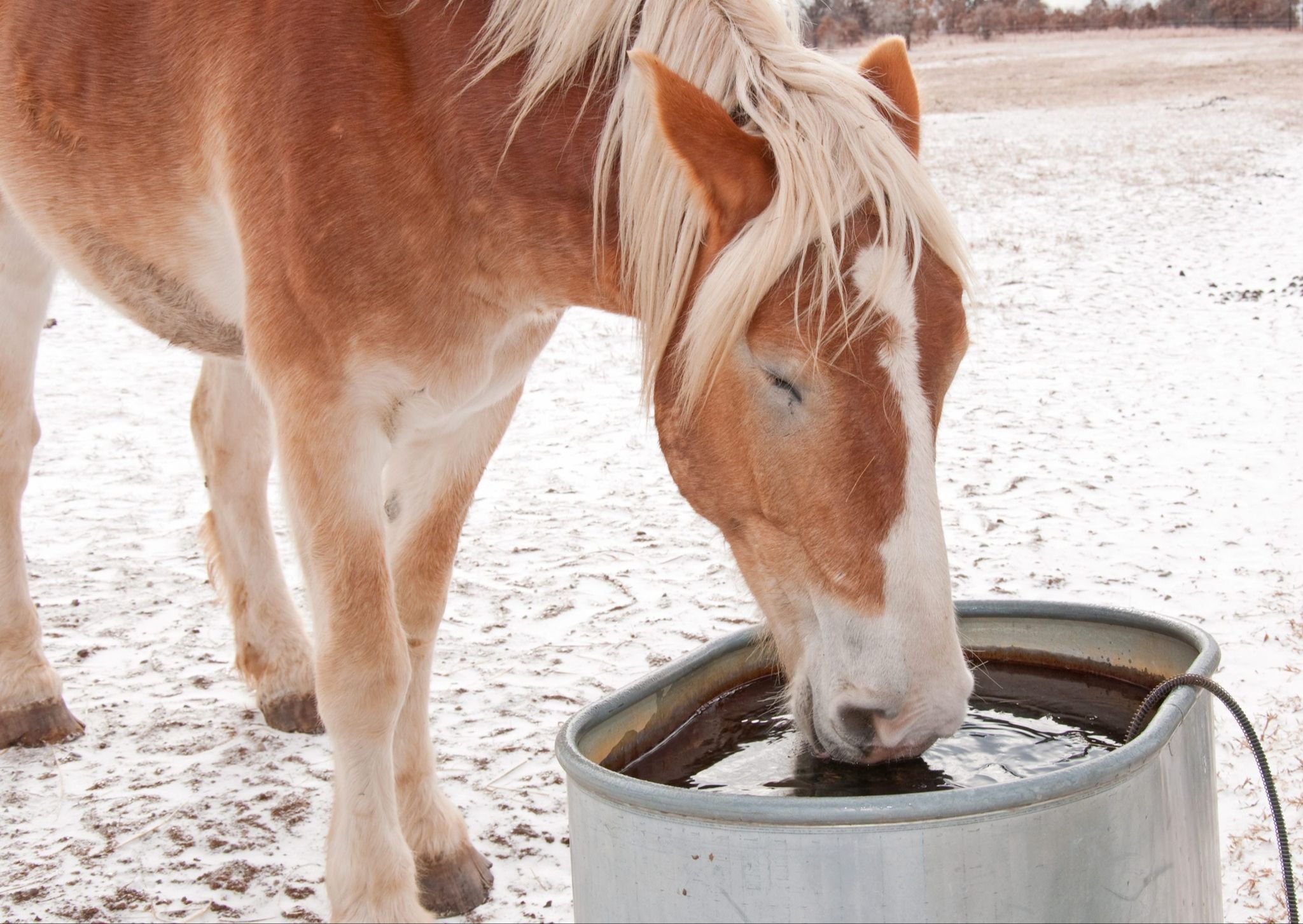
Cold water often leads to reduced drinking. I look for ways to keep water appealing — offering lukewarm water when possible, breaking ice frequently, using insulated buckets or tank heaters safely, and adding loose salt to meals. During cold snaps, soaked hay or a warm wet mash can also support intake.
2. I increase forage before the cold arrives
Hay supports warmth and gut motility. I adjust forage ahead of the forecast rather than after, avoid sudden hay changes during weather swings, and aim for steady intake rather than cycles of gorging and restriction.
3. I pay attention to warmth so digestion doesn’t have to compete
When a horse has to burn calories just to stay warm, digestion can suffer. Wind breaks, rain protection, and thoughtful blanketing — based on wind, rain, and coat rather than temperature alone — can make a real difference. Blankets need to stay dry, fit well, and be adjusted as temperatures rebound.
4. Movement stays a priority
Movement supports gut motility. When footing allows, turnout helps. Scattering hay, spacing feeding stations, or hand-walking stalled horses during rough weather all encourage gentle, consistent movement.
5. I try to reduce unnecessary stress
Stress alone can slow gut motility. I keep routines predictable, avoid unnecessary herd changes, ease up on training pressure during cold snaps, and make sure horses have shelter and social contact when possible.
6. Higher-risk horses get extra eyes
Seniors, horses with prior colic history, limited turnout, or dental, metabolic, or PPID concerns need closer monitoring. During big weather swings, I check water intake, manure output, and appetite at least twice daily.
The big picture
Winter colic prevention isn’t about one magic fix. It’s about anticipating change and supporting hydration, warmth, movement, and consistency before the temperature drops.
If you’ve ever received a text like the one I shared — or worried you might — this is your reminder that a little preparation can make a very big difference.
Winter doesn’t have to mean emergency calls. With awareness and thoughtful preparation, we can stack the odds in our horses’ favor.
I love my premium weather app, and my best advice remains simple:
Watch the weather, friends.
Wishing you and your horses a warm, healthy winter season,
Melissa
P.S. If you feel like replying, what do you notice most in your horses during warm-to-cold weather shifts?
With gratitude to Dr. Jessica Loyd of Black Creek Mobile Veterinary Service for inspiring this reminder.
|