A Text I’ll Never Forget: What Every Horse Owner Should Know About Cold Weather and Colic
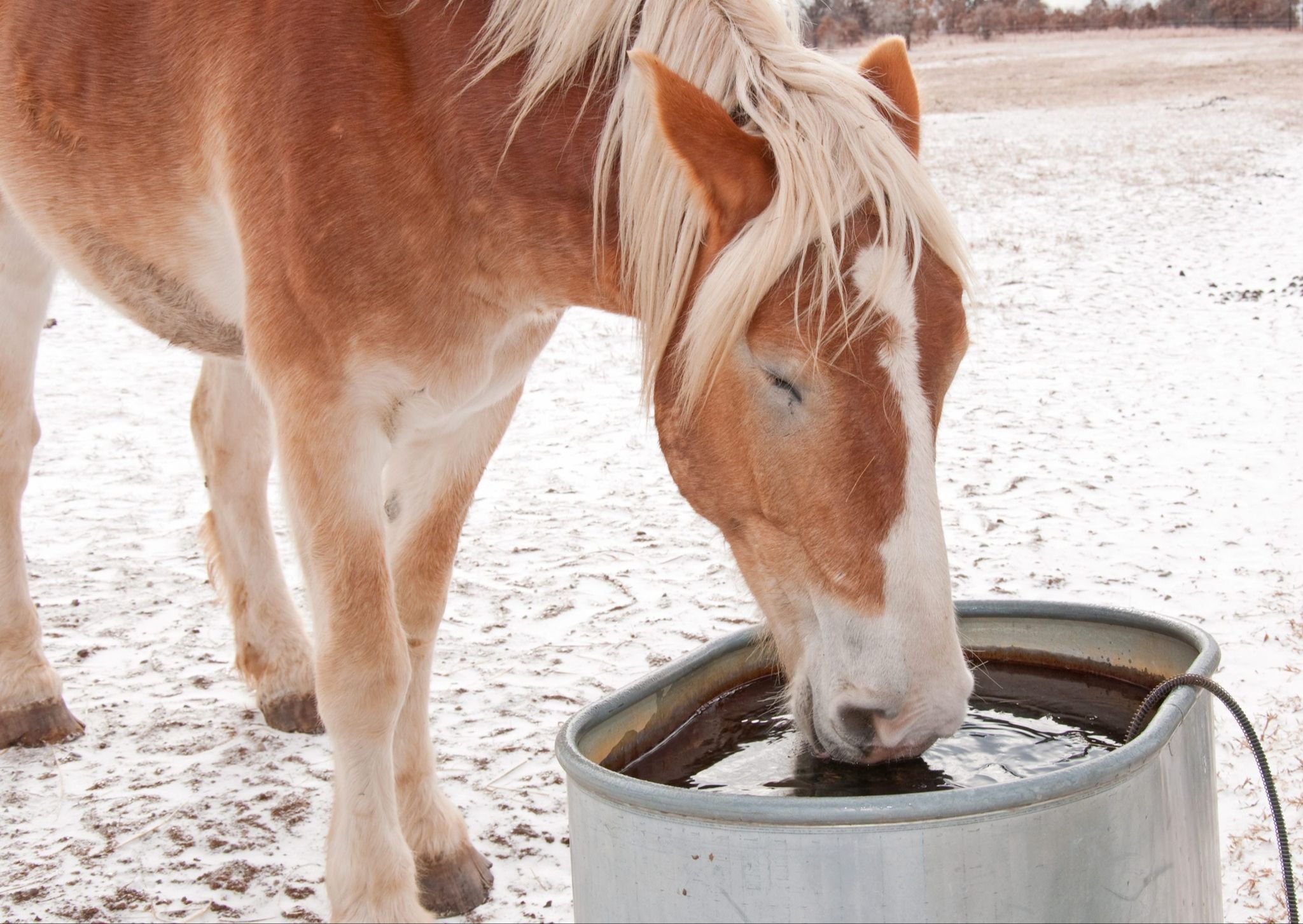
 

“So sorry… I’m not going to make it to my 8 am lesson again this morning.
Up all night with colic calls and I’m on the way to another now.”

That was the text I received at 6:30 AM from a dedicated mixed-practice veterinarian — someone who was supposed to drive an hour to my place for her weekly lesson with her horse, who lives here in training.

If that doesn’t get your attention, I’m not sure what will.

I wanted to share this with you because it’s a pattern I see every winter — and one we can often prevent.

Unless your horse lives in a bubble, they’re going to experience rapid — and sometimes dramatic — weather changes. Here in southeastern North Carolina near Wilmington, swings of 20 degrees in a single day aren’t unusual, not to mention humidity, rain, and barometric pressure doing their own thing.

And honestly? I don’t hate it.

These shifts shake things up. They present training challenges that prepare horses for life outside the norm. They also give

...
Continue Reading...

Ears... does your horse love having theirs touched, handled, and inspected?

cues ears games health Dec 17, 2024
 

Ear handling isn't just about health; it's about building trust, confidence and choice through +R horse training (positive reinforcement).

Watch this quick game of "Here's my Ear" to see how you can make ear handling a joyful experience for your horse in any situation:

Tips for mastering ear handling with your horse: You may want to...

  • Start with your horse at liberty in protected contact, but on a lead where they can clearly step away will work if you don't have the option to do liberty/protected contact in a stall or paddock, etc.
  • Begin by presenting your hand at a comfortable distance from the horse's ear. Bridge/click and feed whenever the horse allows you to get closer, regardless of the distance.
  • Gradually reduce the distance between your hand and the ear, continuing to reinforce the horse for calm acceptance. Slow down and increase the distance if the horse is showing concern.
  • Slowly introduce gentle touch and handling, always bridging and feeding for positive respon...
Continue Reading...
Close

50% Complete

Two Step

Lorem ipsum dolor sit amet, consectetur adipiscing elit, sed do eiusmod tempor incididunt ut labore et dolore magna aliqua.