
How to Train Your Horse to Stand for Injections Using Positive Reinforcement (R+)
By popular request following my recent injection training post, I’m sharing a video below of a live demonstration showing how I use positive reinforcement to teach a horse to stand cooperatively for injections.
I often perform both IM and IV injections on my own horses without a halter or lead — so yes, this really does work.
In this clip, I’m demonstrating IM only. IV is simply a small variation on the same thoughtful process.
Please forgive the camera angle — it isn’t ideal — but what you can clearly see is a simple and brilliant protocol (credit to Dr. Lore Haug, DVM).
The horse in this video is owned by Dr. Jessica Loyd, DVM.
I reinforce him through three distinct steps:
1️⃣ Hand on neck
(You’ll hear me say both “neck” and “hand” in the video — that was my error. I was definitely nervous in front of the crowd. Choose one cue and stay consistent.)
2️⃣ Pinch the skin
3️⃣ Poke
At first, “poke” is barely a touch — sometimes not even that. Over time, it becomes more realistic, ...
Cooperative Care for Horses: Training Calm Injections at Liberty
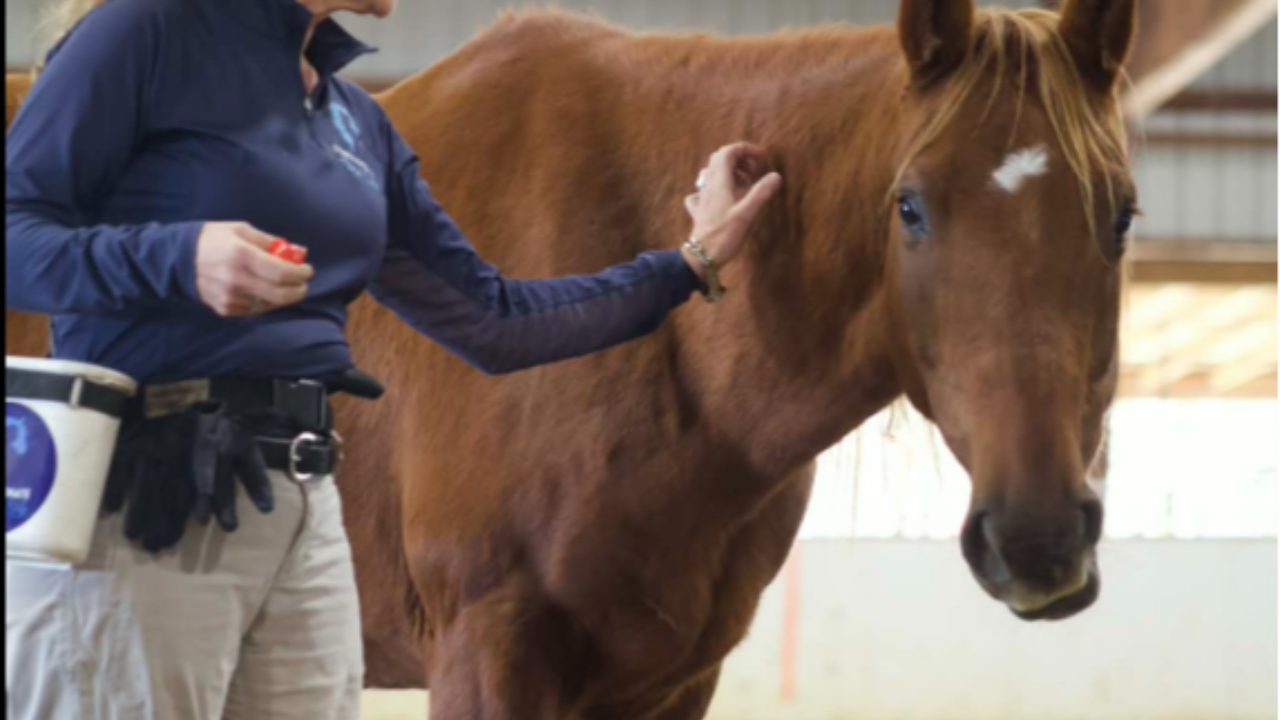
Spring often brings an increase in veterinary visits — vaccines, Coggins, routine care. For many horses, injections are something we brace for. But with cooperative care and positive reinforcement, injections can become calm and predictable.
Most horses can be trained to stand without restraint for injections.
Yes — really.
Zoo animals routinely stand at liberty and present body parts for blood draws and vaccines. Horses can learn to do the same.
Spring often means more vet visits — vaccines, Coggins, de-wormers, dentals, routine care. And for many horses (and humans), injections are something we brace for.
But it doesn’t have to be that way.
✨ Cooperative Care for Injections
Teaching your horse to choose to stand calmly is one of the most empowering gifts we can offer them.
Using cooperative care +R techniques, we can:
🟡 Reduce fear and stress
🟡 Build trust through clear communication
🟡 Create safer, smoother experiences
🟡 Help horses feel confident and respected
...
A Tiny Winter R+ Training Tip That Makes a Big Difference
A Tiny Winter Training Tip That Makes a Big Difference
Several years ago, on a frigid February morning, I received a text from a student who had driven a long way to train.
“I couldn’t finish my sessions today. My fingers were about to fall off.”
I knew exactly how her fingers felt.
I also knew how much that training time mattered to her and her horse.
And I remember thinking: There has to be a better way.
Winter Training Is Hard Enough
If you’re doing R+ training in the winter and handling food, you already know:
Cold, sticky fingers make everything harder.
Timing feels off.
Your hands feel frozen.
Your fingers turn bizarre colors and barely function.
Switching between chores, feeding, and training gets messy fast.
And when you’ve carved out precious time to spend with your horse — even in winter — the last thing you want is for discomfort to cut it short.
Cold hands shouldn’t be the reason we stop.
Our horses need enrichment in winter more than ever.
And honestly? So d...
Do Horses Prefer Cold Water? Winter Hydration & Colic Risk
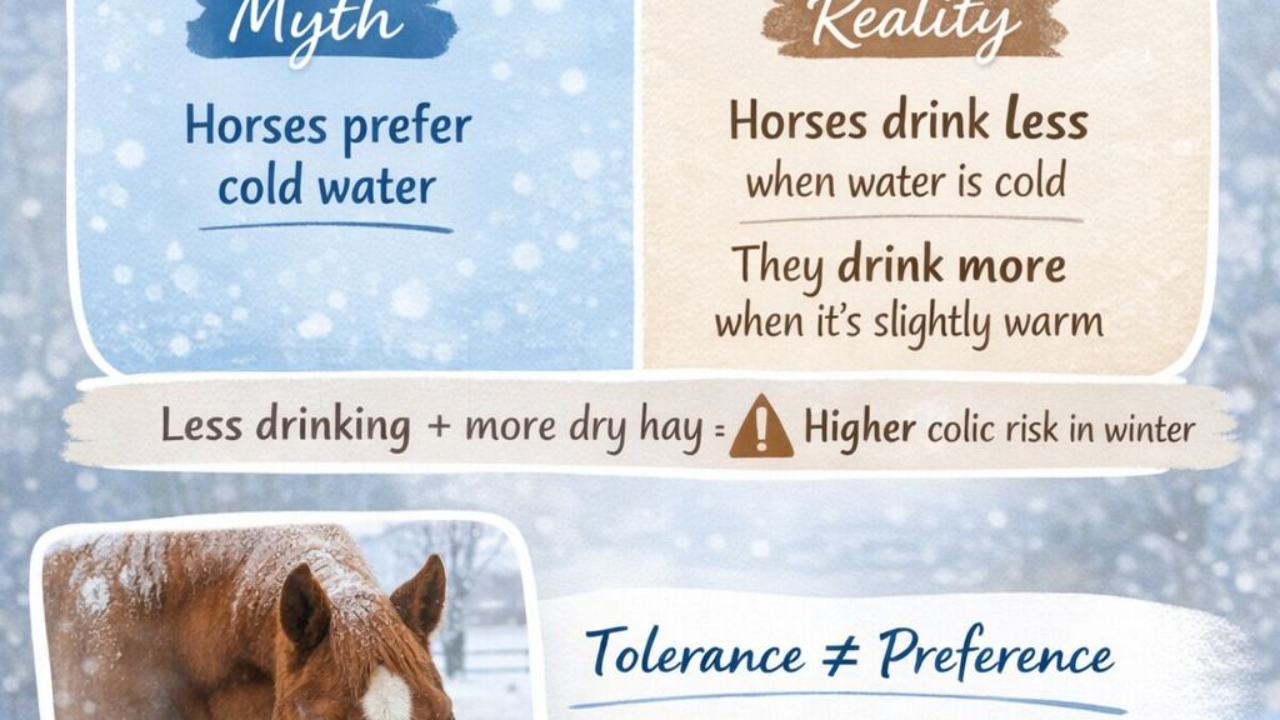
“But I thought horses prefer cold water because it’s more natural…”
That was a message I received after a recent post about preparing for winter weather changes to help safeguard our horses against colic.
And honestly — I get it.
It’s a really common and very reasonable assumption. I used to wonder the same thing.
So I wanted to respond the way I would if we were chatting at the barn, coffee in hand, watching the horses quietly munch hay.
Here’s the gentle, reassuring truth as we understand it today:
What we know (based on research and experience)
There’s no good evidence that horses prefer cold water.
There is good evidence that cold water leads many horses to drink less.
And that’s why this matters so much in winter and during warm-to-cold weather swings.
What research and long-standing veterinary experience consistently show:
• Horses offered very cold or near-freezing water tend to drink less
• Horses offered slightly warmed or tepid water (about 45–65°F) usually drink more...
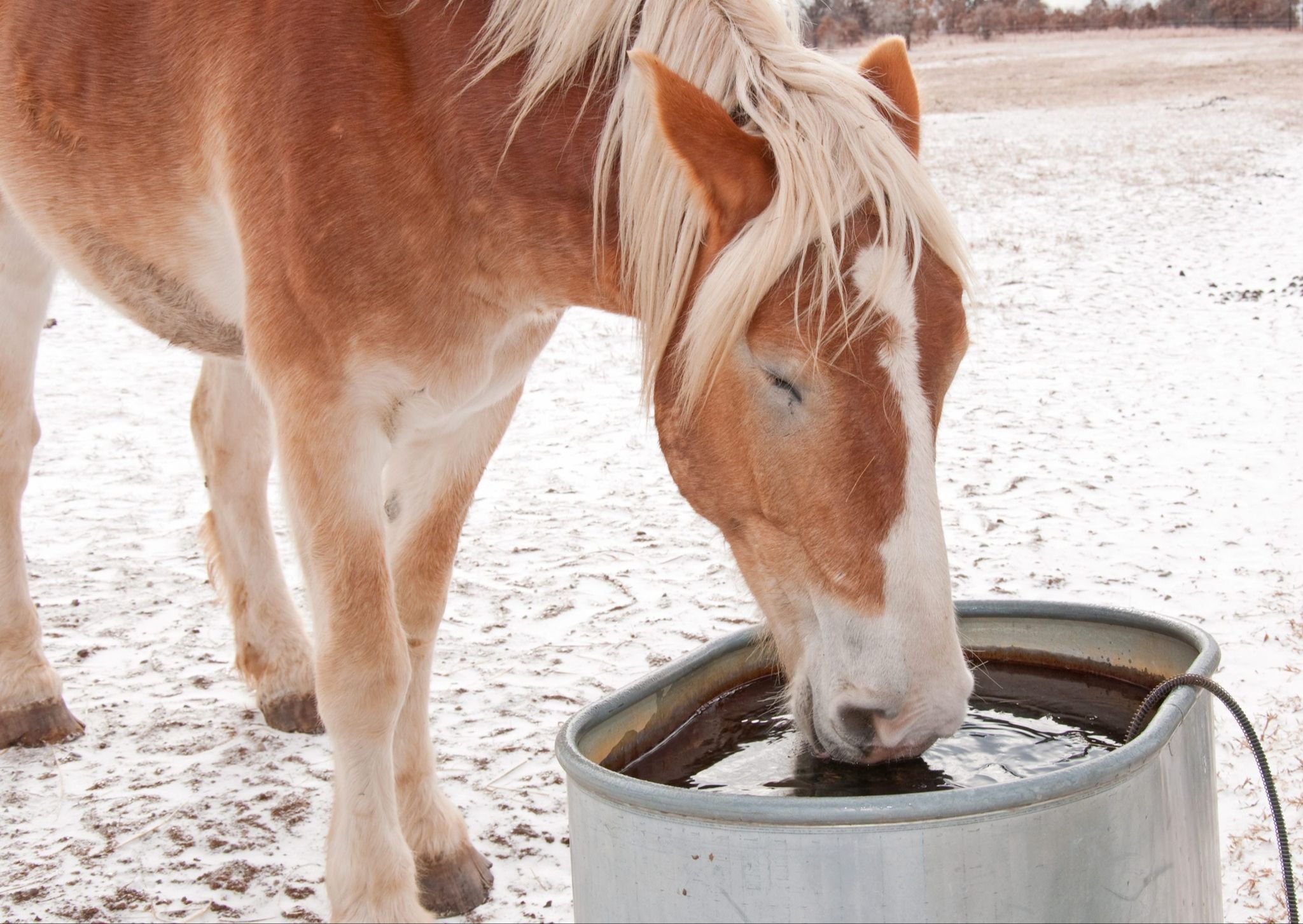
A Text I’ll Never Forget: What Every Horse Owner Should Know About Cold Weather and Colic
|
✨ Patterns That Speak: Building Confidence & Connection with Your Horse

Want to know what YOUR HORSE thinks you’re asking for? How they interpret your cues? Or — if you use R+ — what THEY think they’re being rewarded for?
So often, there’s a gap between what we intend and what they perceive. It’s in that gap where behaviors fall apart, or never end up looking the way we imagined.
There’s a powerful way to bridge that gap — working patterns. Not just dressage tests or obstacle courses, but patterns with visual & tactile feedback that help both you and your horse see what’s really going on.
What I Mean by Feedback Patterns
These are setups using physical elements in the arena or on the ground — poles, mats, cones, barrels, rings (like hula hoops, with safety modifications), targets.
- Poles on the ground help clarify things like step placement, rhythm, and how your cues are being received.
- Mats and targets can give tactile feedback.
- Chalk or paint markers offer visual feedback — not for the horse necessarily, but incredible for us to see what we aske...
My Secret to Happy R+ Horses under Saddle? ✨
"My secret to happy horses under saddle?" It’s all about providing the right value and volume of reinforcement! For new riders, inexperienced or green or horses, or horse who are over aroused or starting their positive reinforcement journey, the right reinforcer, such as hay or another high volume low value one can be a game-changer!


Yes, you read that right: Hay can be fed from the tack! My students and I use it all the time with young horses or those new to clicker training. It’s not forever, just until they learn to be at ease receiving food under saddle.

Remember: Always get permission before using hay under-saddle, especially in arenas or yards. With a little practice, it's easy to minimize any mess.
Here's how it works...
The little gray horse listens for his favorite word or click, then if he doesn't receive another cue to carry on or do something different, he settles into a soft default position and waits for the cue that the food is coming. This brings a ton of comfort...
🐴 If Horses Could Talk...Could doing Less Bring You Closer to your Horse?
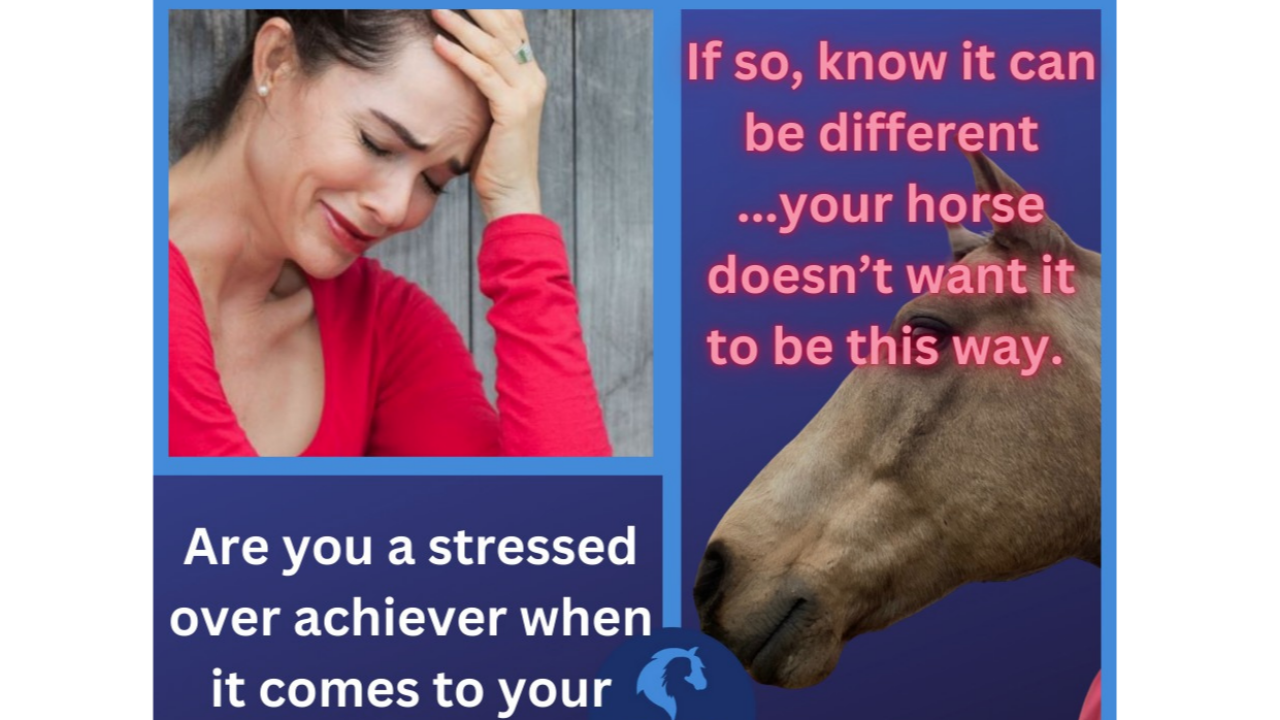

Yes, I jest
 (you know me!), but there's a deeper point to this. Horses are whole beings of their own. They’re here to share experiences with us, not to be “saved” in every single moment or perfected to fit our ideals. Of course, we want to care for them, help them, and make their lives better. But trying to make everything perfect about:
-
their health
-
their performance
-
their living situation
-
our relationship with them
…can be impossible, exhausting, and even maddening. And sometimes, maybe it’s worth asking ourselves, “Am I doing this for you, my...
Calm Before the Storm can be Reality for You and your Horse
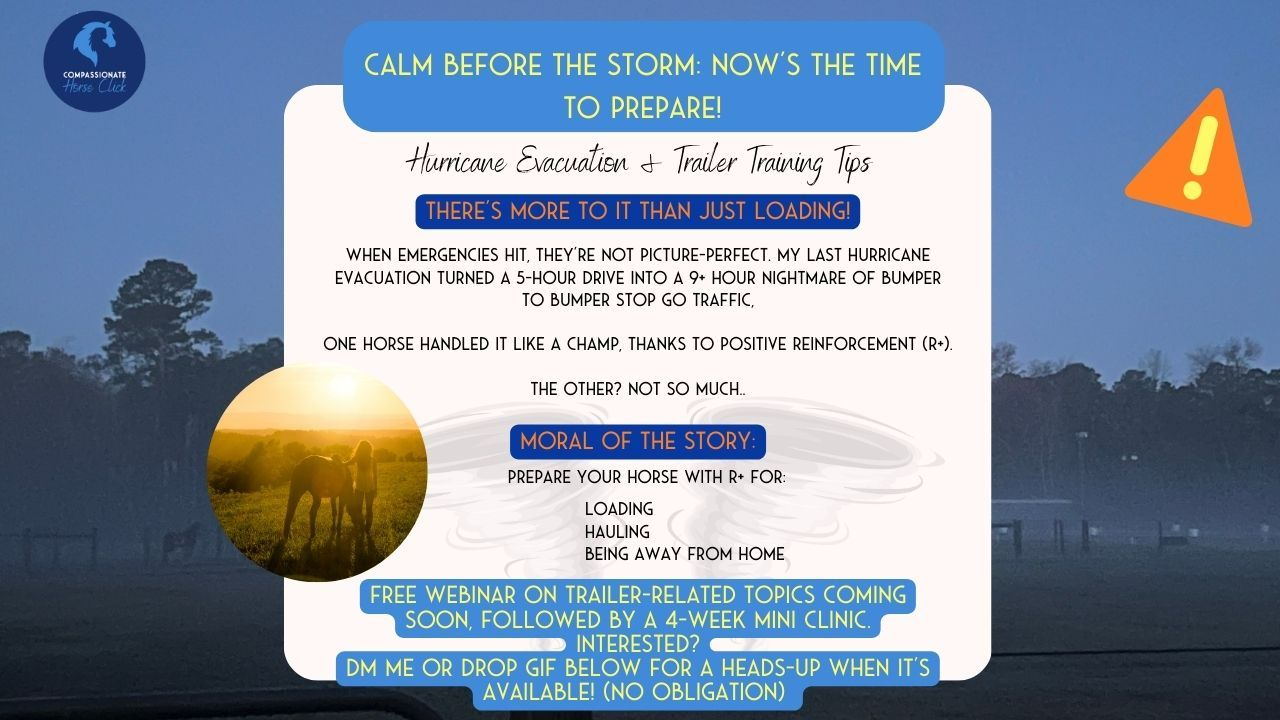
"A strained smile, a tentative way, and a worried look—that’s what I saw on the man in the rearview mirror as I pulled the horses down our drive, leaving my husband and dogs (blue heelers) behind. Up until that moment, I thought this evacuation was a load of crap, an aggravation and a waste of time. But seeing my rock of a husband’s face waiver as we left, I started to wonder: Would things ever be the same?
The photos that popped up in Google inspiring me to write this post? They capture my last hurricane evacuation, driving away from the farm to take refuge in Georgia, thanks to generous friends of a friend.
What can't be seen seen in the photos of that time is the calm before the storm (horses loading well, trailer ready to go just needing a few quick check lists reviewed—or the flooding devastation that left my husband stranded, rescuing every animal he could, including feeding the neighbor's cattle... with our expensive horse hay! (Yes, he and the bull became besties by the en...
📅Busy Schedule? Still Want Horse Training Feedback & Inspiration?

 "This is fantastic. So helpful!!! I can't thank you enough."

 New! 15-Minute Video Reviews for Positive Reinforcement Training
  Whether you’re shaping a new behavior or navigating a sticky spot, I’m now offering bite-sized, powerful video reviews designed just for positive reinforcement trainers.
 Voiceover feedback — Clear, kind, and practical insights ...